Most people take for granted being able to shower on their own, to make their lunch, go to work, to read a book, to go shopping, and to do all this without being constantly in pain. My disabilities mean can’t do any of these things without support, but with support I can live a fulfilling and meaningful life; the problem is that getting that support is becoming increasingly difficult.
There has been some media coverage of the effects on benefit cuts disabled people’s lives, but the cuts to social care have received less attention. Devon County Council, where I live, faces a £4 million cut to adult social care this year alone.
So perhaps it is no surprise that over the past five years my assessments with social workers have become less about discussing how to best meet my needs, and more like police interrogations, constantly pushing to catch you out so they can justify not giving you the care you need.
In my last assessment I asked for more help, both to give my parents who are my carers a break, and also to allow me to continue going to poetry seminars. Instead my care was cut. When I challenged the assessment the social worker told me I was lucky to get as much help as she’d given. When I asked for a case review I was, again, told I was lucky to receive the amount help I have, and added to boot that if I was reassessed I might lose even more care.
Aren’t I lucky. In fact, the more I lose the luckier I seem to be.
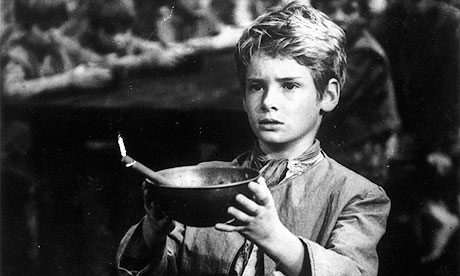
I feel like Oliver, empty bowled, reprimanded by an indignant My Limbkin for asking for more than the “supper allotted by the dietary”.
One of the most successful achievements of the conservative government has been to normalize poverty in a way that hasn’t been seen since the before second world war. By lowering the bar on what is an acceptable standard of living they have been able to denigrate out most fundamental needs to merely wants, and to demote the minimum standards of living to unreachable ideals.
This ideology is evident in the government’s decisions – redefining childhood poverty as a moral failing on the part of parents rather than a lack of income, Iain Duncan Smith saying he could live on £53 a week, or the scrapping of the independent living fund – but also evident in the attitude of the media, social workers, and the general public. But the thing that concerns me most is that this rhetoric is making me question my own needs.
How can I ask for more when others have so much less? Isn’t that unfair? Shouldn’t I be grateful for what I have? After all I haven’t had my DLA stopped, been classed as fit to work by ATOS despite serious illness or disability, not had to pay the bedroom tax, not had access to work cut, not have to soil myself because I don’t have night time care. Compared to that how is attending a poetry class a right not a extravagance?
The concept of equality as a basic right has been entirely lost from the debate so that it is no longer a deciding factor in decisions in social care – It is not just the funded that is being eroded, but ideology.
As long as it remains that an able bodied person can take for granted being able to go to the shops, for a walk or swim, to work, to be able to go to bed because they are tired not because their agency won’t do visits after 9pm – then I should be able to take them for granted to. Maslow’s hierarchy of needs may start with food and shelter, but the need to feel a sense of self worth, to be part of a community, for creativity and self-actualization come in close behind it.
I will not just gratefully accept what is given to me, I have a right to a physically, emotionally and intellectually fulfilling life.
So I will be standing with my empty bowl at Mr Limpkins table fighting for my second bowl of porridge for as long as it takes.

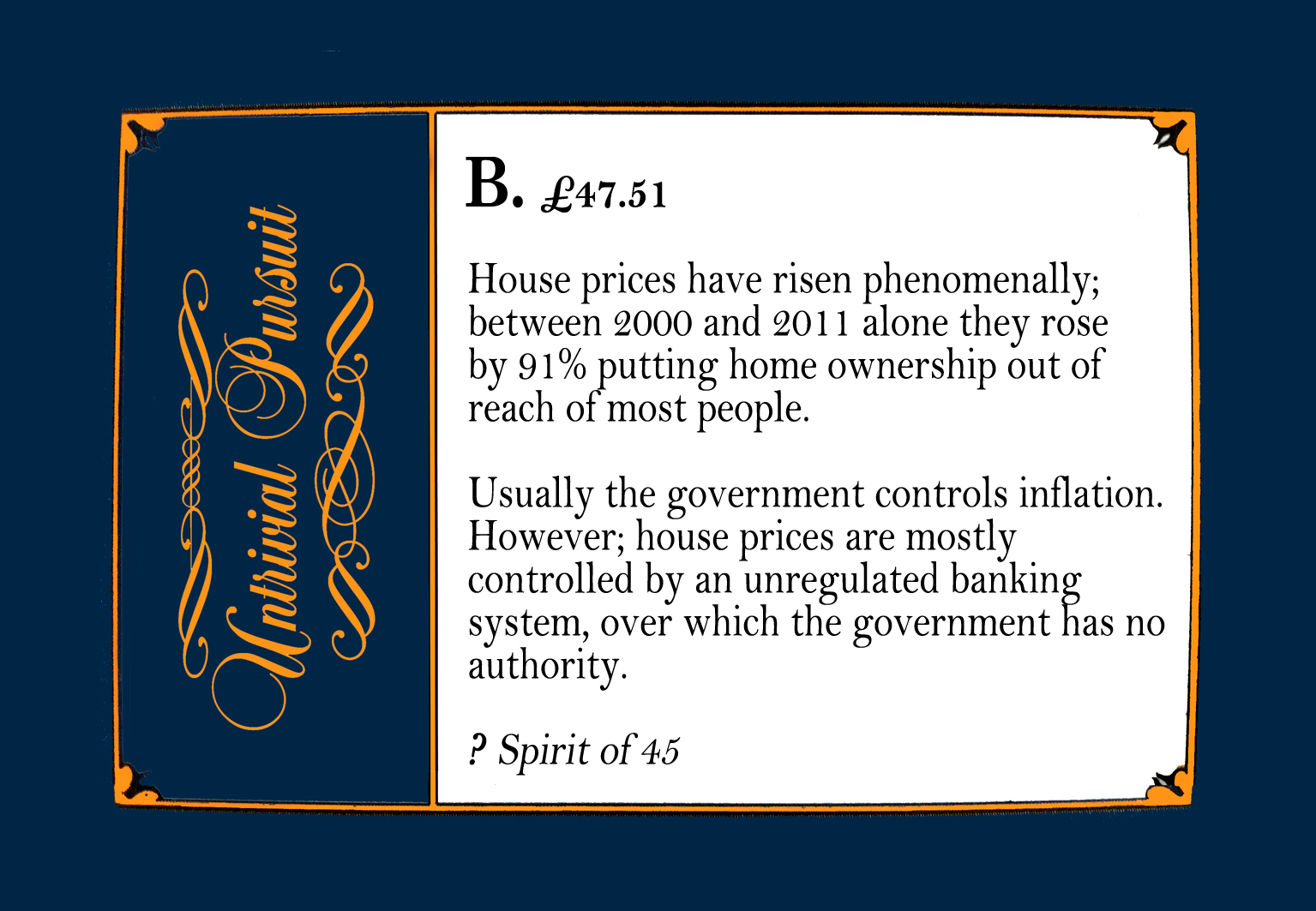

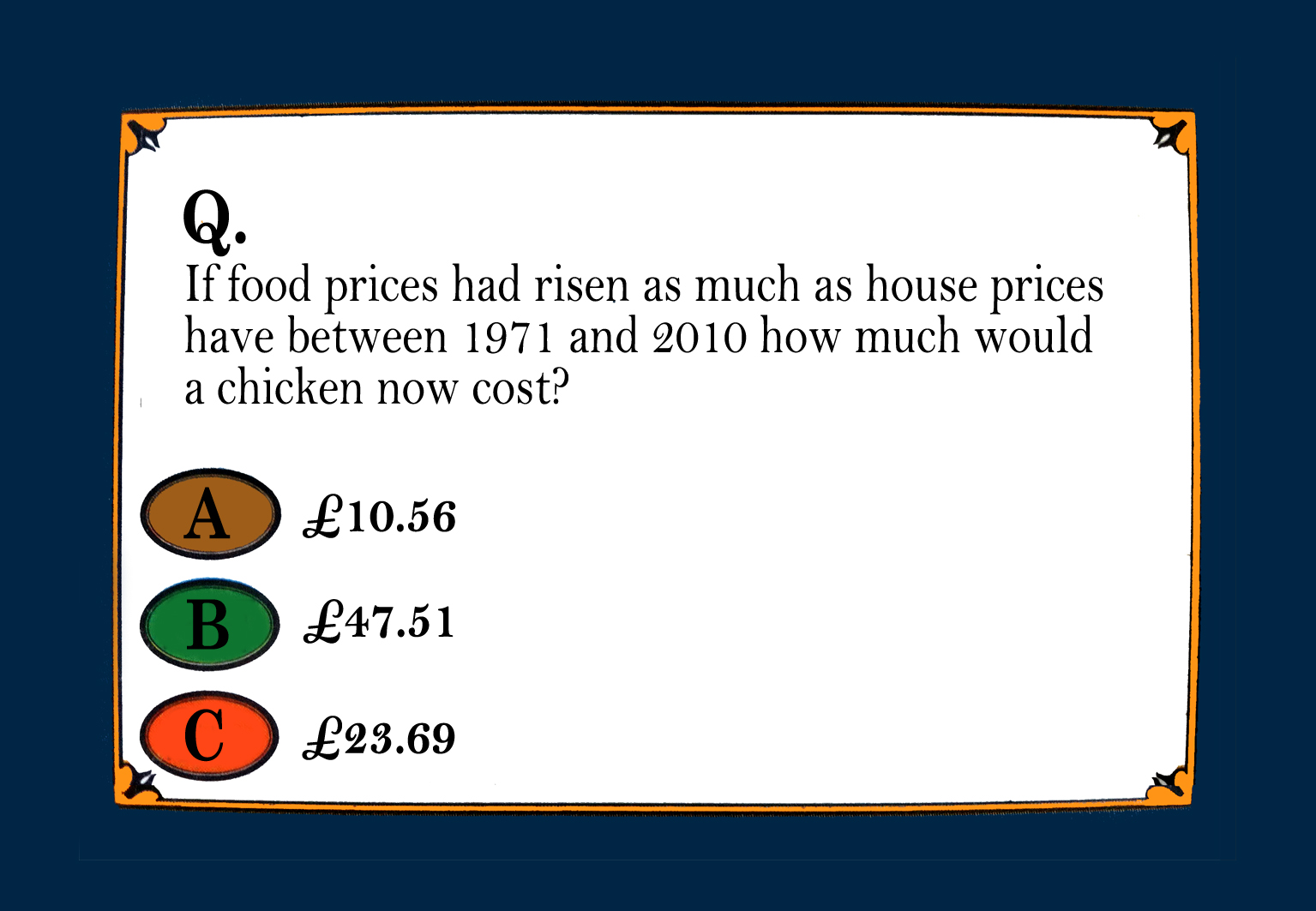
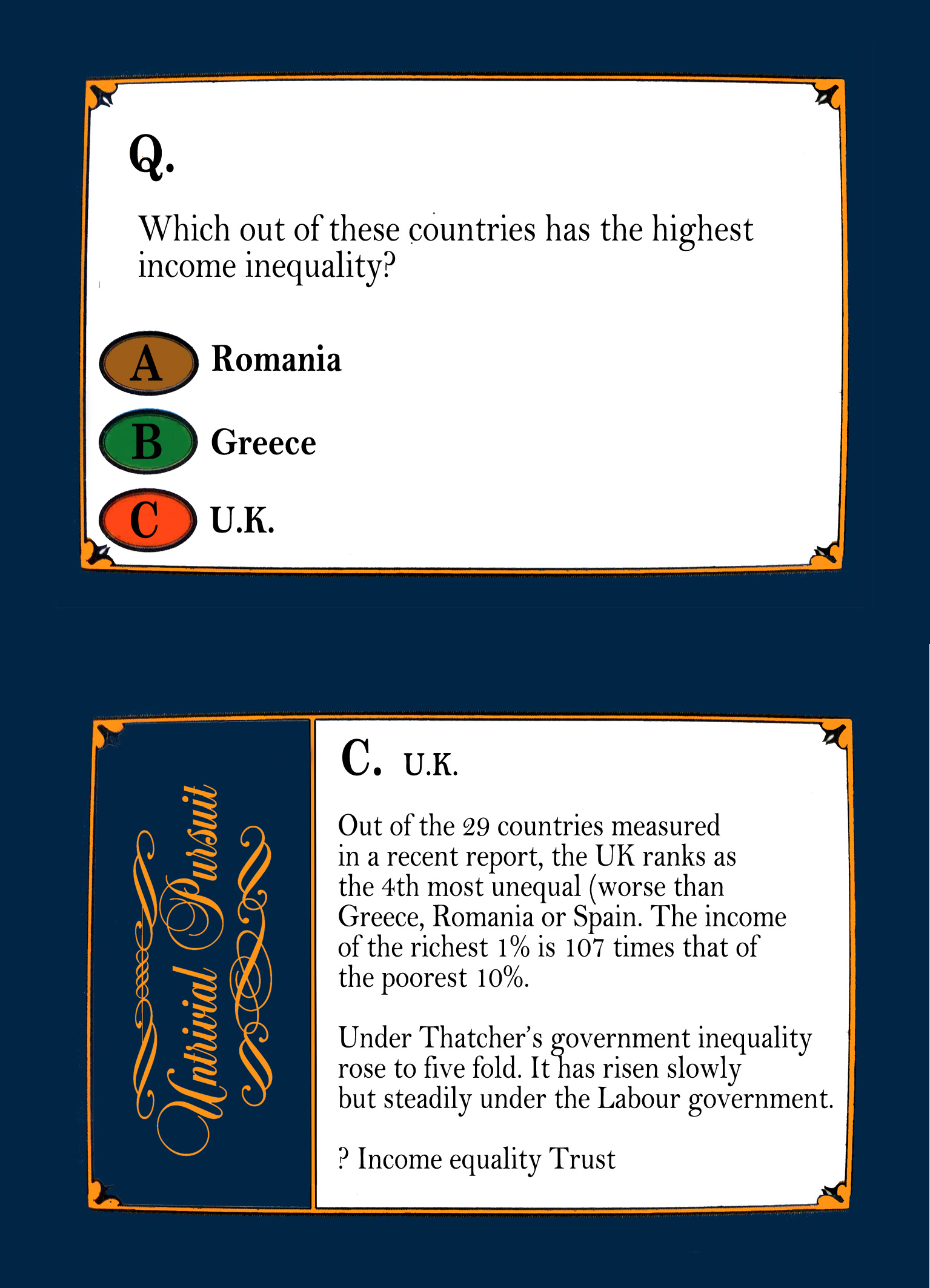
 untrivialpursuit.com